


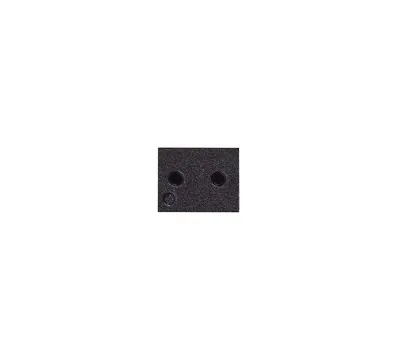
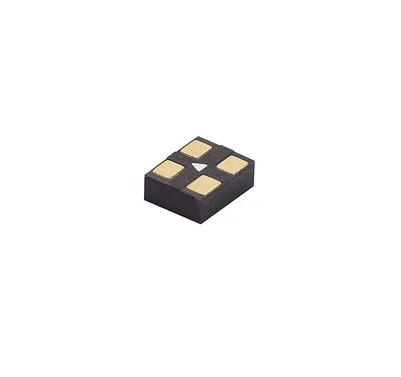
The TR2FdTRF4-BS01-RTA Composed of a GaAs VCSEL and a NPN Photo-transistor which is encased side-by-side on converging optical axis in a black thermoplastic housing.Is an in-ear sensor The Photo-transistor receives reflection from the VCSEL only. But when an object is in between, Photo-transistor could not receive the reflection. For additional component information,Infrared photoelectric detection and infrared light emission chips are integrated internally.
product parameter (specification)
High reliability,High radiant intensity,Low
forward voltage
Fast response time,High photo sensitivity
Cut-off visible wavelength λp=800nm
Pb.Free,RoHS compliant version
MSL class 3
|
Absolute Maximum Rating TA=25°C |
|||||
|
PARAMETER |
SYMBOL |
Ratings |
Units |
Notes |
|
|
Input |
Power Dissipation at(or below)25℃ Free Air temperature |
Pd |
33 |
mW |
|
|
ReverseVoltage |
VR |
5 |
V |
||
|
Forward Current |
IF |
15 |
mA |
||
|
output |
Collector Power Dissipation |
Pc |
75 |
mW |
|
|
Collector Current |
IC |
50 |
mA |
||
|
Collector -Emitter Voltage |
BVECO |
70 |
V |
||
|
Emitter-Collector Voltage |
BVECO |
6 |
V |
||
|
Operating Temperature |
Topr |
-40~+85 |
°C |
||
|
Storage Temperature |
Tstg |
-40~+85 |
°C |
||
|
Lead Soldering Temperature * |
Tsol |
260 |
°C |
1 |
|
|
Optical Characteristics TA = 25°C |
||||||||
|
Parameters |
Test Conditions |
Symbol |
Min |
Typ |
Max |
Units |
Notes |
|
|
Input |
Forward Voltage |
IF=5mA |
VF |
1.5 |
- |
1.8 |
V |
|
|
IF=9mA |
1.6 |
- |
2.1 |
V |
||||
|
IF=15mA |
1.85 |
- |
2.25 |
V |
||||
|
Reverse Curren |
VR=5V |
IR |
- |
- |
1 |
uA |
||
|
Peak Wavelength |
-- |
λP |
- |
940 |
- |
nm |
||
|
Output |
Dark Current |
VCE=10V |
ICEO |
- |
- |
10 |
uA |
|
|
C-E Saturation Voltage |
IC=2mA Ee=1mW/cm |
VCE(SAT) |
- |
- |
0.8 |
V |
||
|
Transfer Characteristics |
Light Current (IC(ON) ) |
IF(int)=9mA VR(out)=5V |
R1 |
1.35 |
- |
1.6 |
uA |
2 |
|
R2 |
1.6 |
- |
1.9 |
uA |
||||
|
IF(int)=5mA VR(out)=5V |
R1 |
0.35 |
- |
0.55 |
uA |
|||
|
R2 |
0.45 |
- |
0.65 |
uA |
||||
|
Rise time |
VCE=2mA IC=100uA RL=1KΩ |
tr |
- |
20 |
- |
uSec |
||
|
Fall time |
tf |
- |
20 |
- |
uSec |
|||
product feature and applicatio
TWS Non-contact Switching
Intelligent Electronic Products
Heart rate monitoring for
Mobile devices
Wearable devices (e.g. smart watches, fitness trackers, ...)
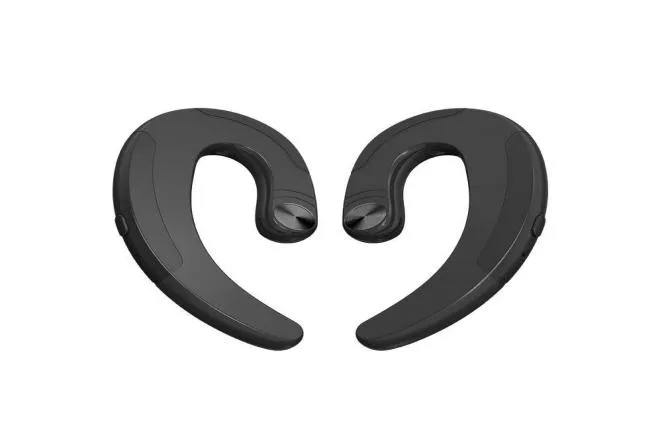
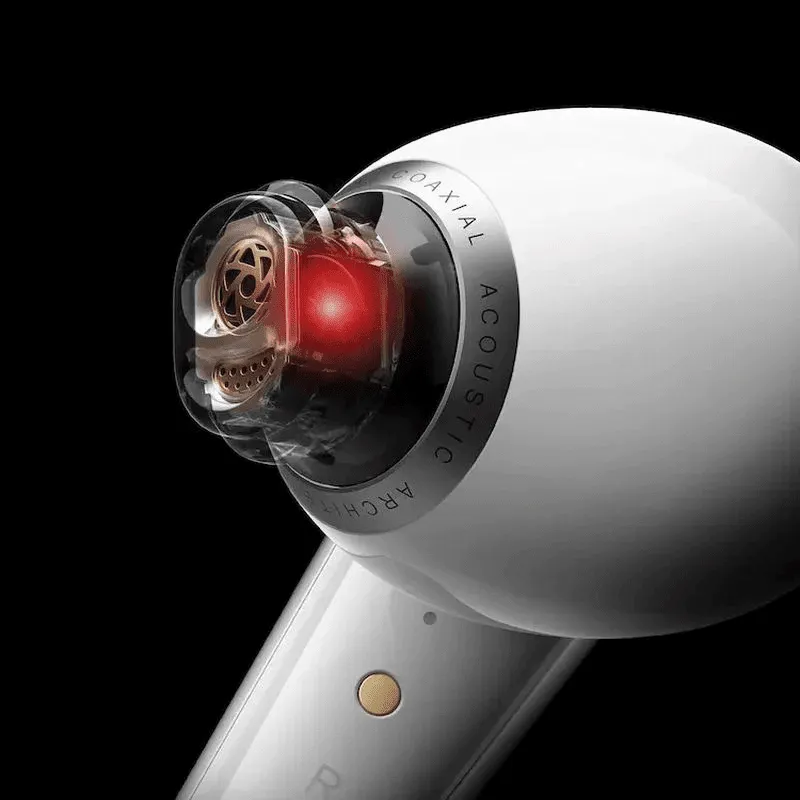
In ear detection is a technological advancement in earbuds characterized by the integration of sensors. These sensors are adept at recognizing the presence of the earbuds in the user's ears. When you insert the earbuds, they automatically activate and begin audio playback. Conversely, removing them pauses the playback. This intuitive feature hinges on capacitive or proximity sensors, which are adept at detecting changes in the earbud's environment, thereby discerning whether the earbuds are being worn or not.
Pros of In-ear Detection in Earbuds
Enhanced User Experience
The primary advantage of in ear detection in earbuds is the significantly enriched user experience. This feature ensures a seamless interaction with your audio content. Imagine you're engrossed in an engaging podcast or a gripping audiobook, and suddenly, you need to shift your attention elsewhere perhaps to answer a doorbell or to respond to someone.
In such instances, in ear detection proves invaluable. The moment you remove the earbuds, they automatically pause the audio. This intuitive interaction means you won't lose your place in the audio stream. It's particularly beneficial during activities where your hands are occupied, such as cooking or exercising. The convenience of not having to manually pause your audio adds a layer of efficiency and ease to your daily routine.
Energy Efficiency
Another significant benefit of earbuds with in ear detection is their energy efficiency. This technology is designed to recognize when the earbuds are not in use. Upon detecting this, they automatically switch to a low power state, conserving battery life. This feature is a boon for users who may forget to turn off their earbuds manually.
In today's busy world, where charging devices frequently can be a hassle, this energy saving aspect is not only convenient but also extends the longevity of the earbuds. Furthermore, this contributes to a more environmentally friendly usage pattern by minimizing unnecessary energy consumption.
Safety Aspect
The safety enhancement provided by in ear detection cannot be overstated. When the earbuds are removed, they automatically pause the audio. This functionality ensures that users remain more acutely aware of their surroundings.
In situations where external awareness is crucial such as crossing busy streets, navigating through crowded places, or even while jogging in public areas this feature can be a lifesaver. It allows users to stay connected to their environment, reducing the risk of accidents caused by being too engrossed in audio content. The automatic pause feature also eliminates the need for users to manually adjust their devices in potentially hazardous situations, thereby offering an added layer of safety.
4.Prodrection details
PACKAGE DIMENSIONS (Dimensions in mm unless otherwise stated)
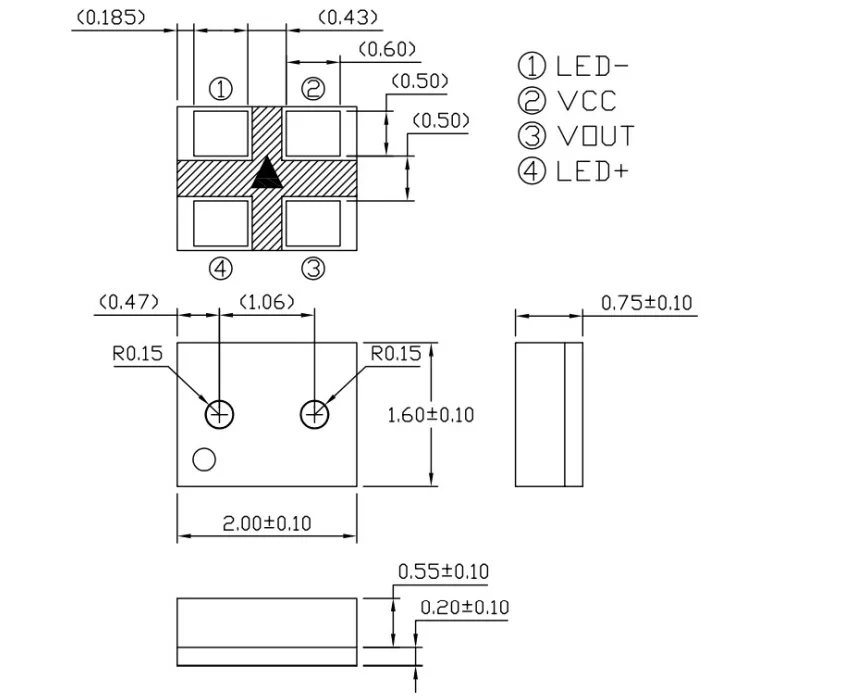
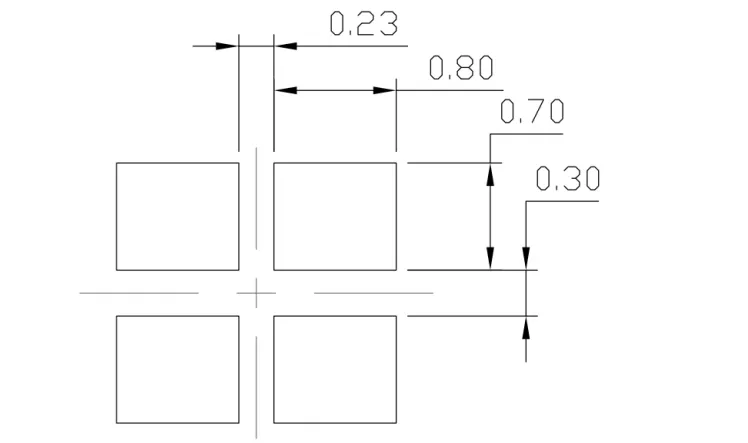
RORECOMMENDED SOLDER MASK (Dimensions in mm unless otherwise stated)
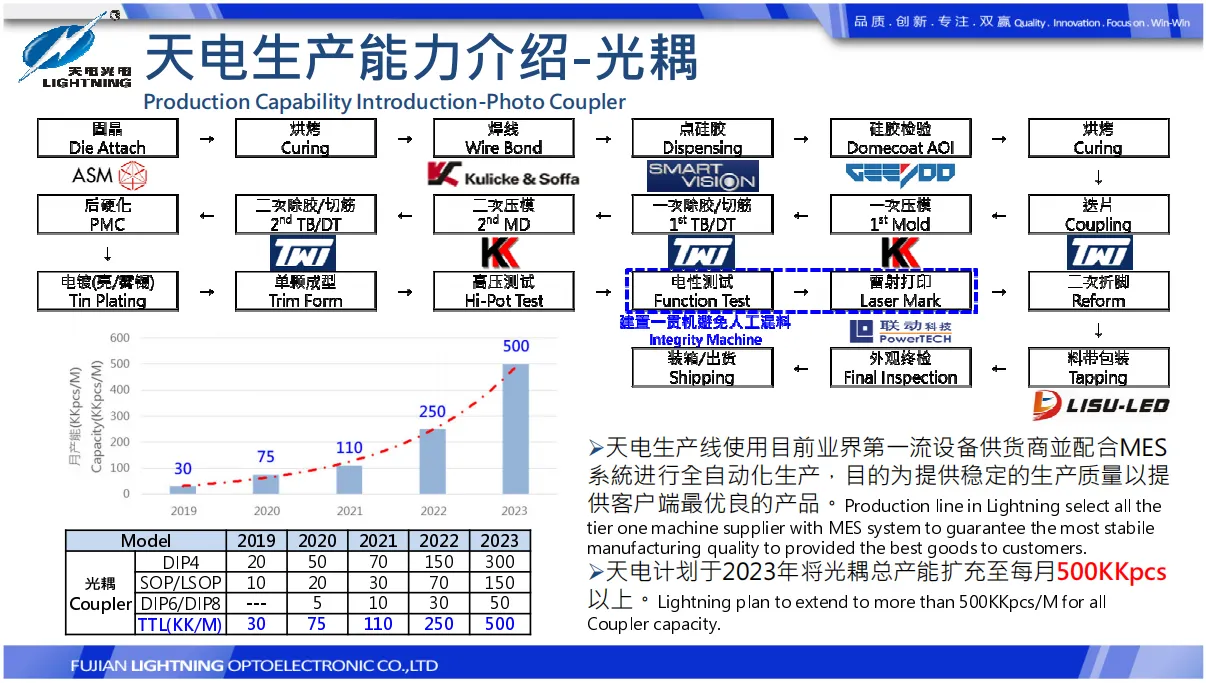
5.prodect qualification
Products Description


6.Deliver,shippingandserving

7.Latest newstated


8.FAQ
1.What is In-ear Detection of TWS Earphones?
As we all know, in-ear detection of AirPods Bluetooth earphones is a special feature. Put on the earphones to play the song, remove the earphones and stop playing the song.
This function can bring users a very user-friendly experience. When the user puts on the headphones, the music will continue to play. When the user removes the headphones, the music will pause. This function can effectively save power to increase the use time for headphones.
2.How Does the Sensor Work?
One of the major successes of this research is the sensor's intricate design and fabrication process, which addresses several challenges, such as limited space, anatomical variability, and signal integrity.
The sensor array is fabricated using a layer-by-layer screen printing method, the foundation of which is a 150-μm-thick TPU (Thermoplastic Polyurethane) substrate. Sequential layers of stretchable Ag (silver) for interconnection, SEBS (Styrene-Ethylene-Butylene-Styrene) as an insulating layer, and stretchable PB (Prussian Blue) for electrochemical electrodes are printed and cured on this substrate.
For electrophysiological sensing, the researchers constructed 3D stretchable Ag electrodes using a 3D-printed tough polylactic acid mold. These electrodes are then bonded to a flexible printed circuit board (PCB) using silver liquid solder, ensuring robust electrical connections.
This sensing array is based on potentiometric measurement techniques-techniques that measure the concentration of a chemical component in a liquid-based solution situated above the sensor's surface. The array includes three in-ear electrophysiological electrodes, one reference electrode at the cymba conchae and one driven right leg (DRL) electrode at the concha cavum. These electrodes are connected to a portable data acquisition (DAQ) system operating in single-ended mode. The DAQ system employs a fully differential programmable gain amplifier at each channel to suppress common-mode interference from power lines and other sources.
3.Reasons to use in-ear sensors
Protect Your Ears
Prolonged exposure to extremely high sound pressure levels can quickly cause hearing damage. Some performers have taken to wearing ear plugs to protect their hearing, but even the best ear plugs cause some alteration of frequency response. Personal monitors offer a level of hearing protection equal to that of ear plugs, but with the additional benefit of tiny loudspeakers in the plugs. The monitoring level is now in the hands of the performer. If it seems to be too loud, there is no excuse for not turning the monitors down to a comfortable level. The use of an onboard limiter is strongly recommended to prevent high level transients from causing permanent damage.
Reduced Vocal Strain
Closely related to the volume issue, the ability to hear more clearly reduces vocal strain for singers. In order to compensate for a monitor system that does not provide adequate vocal reinforcement, many singers will force themselves to sing with more power than is normal or healthy. Anyone who makes a living with their voice knows that once you lose it, you lose your livelihood. Every precaution should be taken to protect your "instrument," and personal monitors are a key ingredient in helping vocalists continue to sing for years to come.
Stereo Monitoring
A distinct advantage of most personal monitor systems is the ability to listen in stereo. While it may not be applicable to all situations, especially with a limited number of mixes available, a monitor mix created in stereo can more accurately recreate a realistic listening environment. We spend our entire lives listening in stereo; logically, a stereo monitor mix increases the perception of a natural sound stage. Monitoring in stereo can also allow for lower overall listening levels.
Hot Tags: in-ear sensor, China in-ear sensor suppliers, 950NM 3535 SMD IR LED 2W, for ELM601, for PC852, 850NM 2835 Red SMD LED 2W, for TLP181, 2835 810 NM SMD LED 2V


