

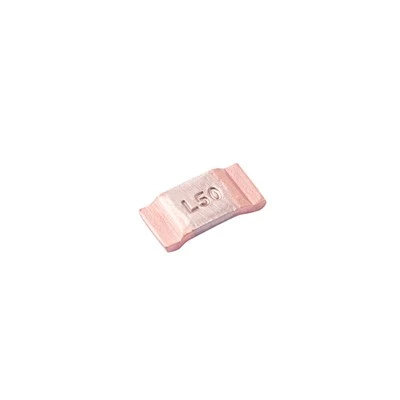
SMD 2512 Matel Element
Alloy resistor 2512 is a surface treated alloy resistor with excellent mechanical, electrical, thermal, and chemical stability. At high temperatures, it has excellent...

Resistors
What is Resistors
A resistor is a passive two-terminal electrical component that implements electrical resistance as a circuit element. In electronic circuits, resistors are used to reduce current flow, adjust signal levels, to divide voltages, bias active elements, and terminate transmission lines, among other uses.
Benefits of Resistors
Size VS capability
A key advantage of these resistors is small size vs power rating and isolation voltage. Thick film resistors are designed to make easy use of thermal sinks. This makes them a quarter of the size of a wirewound equivalent – making them more suitable for systems with limited space.
Low Inductance
Inductance is typically an unwanted property in resistors, particularly in filter circuits. All conductors have inductance, the value depends on its geometry. Generally a wide, flat and short geometry will have lower inductance than a thin, wound long conductor. This is where printed conductive ink allows resistor elements to be formed on wide flat ceramic insulating substrate. This delivers a very low inductance resistor.
Thick film resistors, with lower stray inductance, are therefore the preferred resistor type for high frequency applications like PWM filters or current shunts.
Heat dissipation
Dissipating heat from a resistor is all about surface area and the interface to a cooler medium. Thick film resistors enable a large flat surface area, meaning they are easy to attach to a heat sink or cold plate. Power dissipation of 2 kW is possible in 60mm square.
High Isolation voltage
A power resistor printed onto a ceramic substrate has an intrinsic isolation from the terminals to the base plate. This can be is enhanced with coatings (polyimide for example) applied to the resistor element. The ceramic substrate is then placed in a supporting mechanical housing which is filled with a silicone gel to complete the electrical isolation solution. Isolation rating of up to 12 kVrms to the baseplate can be achieved in a range of ultra high power resistors.
Robust construction
Thick film resistors are more mechanically robust than wirewound resistors, which makes them less susceptible to damage as a result of poor handling or packaging, or rough insertion into a system.
Further, their construction involves constructive paint being screen printed and fired onto an insulating substrate, usually a ceramic base, making it a permanent assembly. This construction makes the resistors better at dealing with high power surges than their wirewound counterparts.
The ceramic layer – with the resistor printed onto it – is housed in a custom designed plastic case for protection, which also can incorporate mounting hardware. The housing also can have a spring installed to manage the pressure needed to reliably achieve good thermal contact without cracking the ceramics.
-
![SMD 2512 Matel Element]()
-
![SMD 3920 Matel Element]() SMD 3920 Matel ElementSMD 3920 Matel Elementread more
SMD 3920 Matel ElementSMD 3920 Matel Elementread more
Alloy resistor 3920 is a surface treated alloy resistor with excellent mechanical, electrical, thermal, and chemical stability. At high temperatures, it has excellent... -
![SMD 5930 Matel Element]() SMD 5930 Matel ElementSMD 5930 Matel Elementread more
SMD 5930 Matel ElementSMD 5930 Matel Elementread more
The 5930 Manganin resistor is a special manganin resistor, its package size is 5930, with high precision, low temperature coefficient, high stability and good... -
![SMD 1206 Resistors]() SMD 1206 ResistorsSMD 1206 Resistorsread more
SMD 1206 ResistorsSMD 1206 Resistorsread more
The 1206 thin film alloy resistor is made of metal film and ceramic substrate. Metal film is the use of high temperature vacuum coating technology to nickel-chromium or... -
![SMD 0805 Resistors]() SMD 0805 ResistorsSMD 0805 Resistorsread more
SMD 0805 ResistorsSMD 0805 Resistorsread more
A metal strip current sensing resistor is a type of resistor used to measure the current in a circuit. They are usually composed of metal strips and resistive materials... -
![SMD 0603 Resistors]() SMD 0603 ResistorsSMD 0603 Resistors 10Rread more
SMD 0603 ResistorsSMD 0603 Resistors 10Rread more
A metal strip current sensing resistor is a type of resistor used to measure the current in a circuit. They are usually composed of metal strips and resistive... -
![SMD 1206 Jumper]() SMD 1206 JumperSMD 1206 jumper resistanceread more
SMD 1206 JumperSMD 1206 jumper resistanceread more
SMD 1206 jumper resistance refers to a surface-mounted resistor with a specific size and electrical characteristic. The 1206 represents the dimensions of the... -
![SMD 0805 Jumper]() SMD 0805 JumperSMD 0805 Jumper 31.6Aread more
SMD 0805 JumperSMD 0805 Jumper 31.6Aread more
The SMD 0805 jumper resistor is an ultra-thin film jumper resistor with a resistance value of zero ohms. It is commonly used for connection and isolation in electronic... -
![SMD 0402 Jumper]() SMD 0402 JumperSMD 0402 jumper resistanceread more
SMD 0402 JumperSMD 0402 jumper resistanceread more
Zero ohm resistance, also known as zero ohm resistance, is a type of resistor with a very small resistance value, typically between 0.1 Ω and 1 Ω. Its main...




Why Choose us
Quality services
Our team is committed to delivering high-quality services to our clients. We use the latest technologies and tools to ensure that our services exceed your expectations.
01
Quality
We offer high quality services and products that are relatable and resonate with your business needs.
02
Experience and expertise
Our company has been in business for many years and has amassed significant expertise and experience to provide quality services to our clients.
03
Competitive pricing
We offer competitive pricing for our services without compromising on quality.
04
Certifications and quality standards
Choose a factory that adheres to industry standards and certifications to ensure product safety and quality.
05
Uses of Resistors
Resistor usage in circuit functions
There are various types of resistors that work according to the usage range. In that, we can set the resistance by using a knob kind of feature. Changing resistance will affect the flow of current inside the circuit. For example, this type of resistor is used in controlling the speed of a motor, pitch of a musical tone, loudness of an amplifier, etc.
Resistor is used for diving voltage
Dividing the voltage works when some components need to work in a much lesser voltage than the supplied input voltage. Connecting the resistors in a series will help to drop the voltage across each resistor equally, thus, assisting the appliances smoothly which works in those conditions.
It is also used for heating
Because of the nature of generating heat when conducting current, resistors are used in a heater, toaster, microwave, electric stove, and many more heating appliances. In a light bulb, the metal filament glows white-hot due to the very high temperature produced from the resistance when electricity is passed through it.
Uses of resistor to function in particular timing and at a certain frequency
Like in a light flasher, electronic sirens, blinking lights used in airplanes or tall towers which acts as a collision avoidance measure. They work on the principle of filling up current to a certain time and then discharge light, in here, the resistor decides how much current has to be passed according to the time allotted. If resistance increases, the time for discharging current in the circuit increases.
Resistors used in LEDs and transistors
Too much current passed inside a LED or transistors can be dangerous because they are very sensitive to electric current. The use of a resistor in the circuit will help the LEDs and transistors and other types of semiconductors to function in the desired current range ideal for them.
These were some applications of Transistors. If you wish to find out more, download BYJU’S The Learning App.
Functions Of Resistors In Various Applications
Voltage dividers
A 10k resistor serves as a critical component in voltage divider circuits, a common application in electronics. Voltage dividers are employed to split a supply voltage into precise fractions, providing reference voltages or signals to other components. By using 10k resistors in combination with other values, you can achieve specific voltage ratios. For example, a 10k resistor in series with another 10k resistor results in a 50% voltage division. This feature is invaluable in sensor interfaces, where analog signals need scaling or conversion to match the input range of microcontrollers or other devices.
Current limiting
In electronics, it's often necessary to limit the flow of current through various components, such as LEDs or transistors, to prevent damage or ensure proper operation. A 10k resistor can act as a current-limiting resistor in these scenarios. By placing it in series with a component, you control the amount of current that flows through it. For instance, in LED applications, selecting an appropriate 10k resistor can protect the LED from excessive current, extending its lifespan and maintaining its brightness within safe limits. To find the right resistor, you can use the 10 kilo ohm resistor color code or check its value using a 10k ohms on multimeter. The 10 kilo ohm resistor color code, often comprising brown, black, orange, and gold, indicates its resistance. Whether it's a 1k resistor or a 10 k ohm resistor, knowing the 10k ohm resistor color code (or 10kohm) and the 10 k resistor color code is crucial. These resistors, also known as key resistors, ensure that the components receive the appropriate current, preventing damage. The 10k ohms resistor and its resistor color 10k code play a vital role in maintaining the stability and safety of electronic circuits. So, whether you're wondering what is 10k or selecting a 10k ohm resistor color code, these small but significant components, like the 10kohm resistor, are essential in electronics.
Biasing and operating point
Biasing is a fundamental concept in electronics, especially in amplifier circuits and transistor applications. A 10k resistor is frequently used to set the operating point of transistors or other active components. By providing a defined bias voltage or current through these components, you ensure they operate within their linear or desired regions, essential for proper amplification or signal processing.
Filtering and time constants
10k resistors are integral components in RC (resistor-capacitor) circuits, where they determine time constants and shape the circuit's frequency response. By selecting appropriate resistor values, you can control the cutoff frequencies of filters and determine the rate at which a circuit responds to changes in input. These time constants are crucial in applications such as audio filtering, signal smoothing, and time delay circuits.
Compatibility and component availability
The choice of a 10k resistor or other values may also depend on component availability and compatibility. Designers often opt for standard resistor values that are readily accessible from suppliers or within their region. This ensures that they can source the required resistors without delays or issues related to availability.
Power dissipation
Resistors generate heat when current flows through them. This heat can cause resistors to overheat and potentially fail if they are operated beyond their power rating. When selecting a 10k resistor, or any resistor, it's essential to consider its power rating to ensure it can safely handle the expected current without overheating. The power rating of a resistor is typically specified in watts and should not be exceeded to prevent damage.
These various applications demonstrate the versatility of 10k resistors in electronics, serving as indispensable tools for controlling currents, setting reference voltages, and ensuring the proper operation of a wide range of electronic devices and circuits.
Temperature sensors
Temperature sensors, often used with 10k resistors, are essential for precise temperature control in devices like thermostats and ovens. They create temperature-dependent voltage signals in voltage divider networks, enabling accurate regulation. These sensors also compensate for component drift, ensuring stable circuit performance. In battery management, they monitor temperature for controlled charging, enhancing battery life and safety. In industrial processes, temperature sensors and 10k resistors maintain accuracy in ovens, furnaces, and chemical systems, optimizing production. Together, they ensure precision, reliability, and safety across diverse electronic applications.
Digital logic
In digital circuits, 10k resistors serve as versatile components for ensuring stable and reliable operations. They are commonly employed as pull-up and pull-down resistors, preventing undefined states in input pins and enhancing circuit stability. These resistors find crucial roles in communication protocols like I2C and SMBus, where they enable bidirectional data exchange by serving as pull-up resistors. Additionally, 10k resistors simplify the design of systems incorporating buttons and switches, providing predictable logic levels. Moreover, they contribute to microcontroller input protection, safeguarding against voltage spikes and noise in sensitive digital systems.
In essence, the 10k resistor's versatility and precision make it an indispensable component in the world of electronics. Whether you're working on a simple LED project, a complex analog circuit, or a digital microcontroller application, the 10k resistor guarantees precise control of currents and voltages. This contribution enhances the reliable and efficient operation of electronic devices and systems.
Feedback networks
Feedback networks, prevalent across diverse domains, facilitate dynamic control and adaptation. In electronics, they refine amplifier circuits, improving linearity and reducing distortion. These principles extend to control systems, maintaining desired conditions. In biology, feedback networks regulate processes like temperature control, ensuring homeostasis. In economics, they adjust pricing and supply based on demand. These networks create self-regulating systems, enhancing efficiency and reliability in response to changing conditions. Understanding and leveraging feedback networks are fundamental, driving innovation and progress in numerous fields, underpinning stability, and optimizing operations in dynamic environments. Whether it's a 10 kilo ohm resistor color code in electronics or small resistor adjustments in economics, feedback networks are integral to maintaining equilibrium and achieving desired outcomes.
Pull-up and pull-down resistors
Pull-up and pull-down resistors, with their typical resistance values like 10k ohms, play a key role in digital electronics. They act as essential tools for ensuring stable and reliable logic levels in input pins. When you need to measure the resistance, a multimeter helps you determine values like 10k ohms. The 10k ohm resistor is often seen as a key resistor in various digital applications. To identify these resistors, you can rely on the resistor color code, where 10k ohm resistor color code is usually brown-black-orange-gold. In some cases, you might encounter an 8.2k resistor or even a 10k SMD resistor, each serving specific purposes.
Understanding resistor color codes is valuable when working with resistors like 10k ohms. Whether it's determining the 10k ohms resistor color code or identifying a 10000 ohm resistor color code, these color codes simplify resistor recognition. Engineers often use 10kohm resistors in circuits to establish reference voltages and ensure proper operation. Whether you're dealing with 10k resistor colors or exploring resistor values, knowing what is 10k and how to use these components can be a small but crucial detail in the world of electronics.
Classification of Resistor




Fixed resistors
Resistors with resistance that doesn't change with any change in the temperature or voltage may be termed fixed resistors. These resistors are available in different sizes and shapes. Any resistor providing constant resistance in different environments is considered an ideal fixed resistor.
Variable resistors
A resistor whose electric resistance value may be adjusted is termed a variable resistor. It may be considered as an electromechanical transducer which generally works by a sliding wiper over the resistive element. A potentiometer is a variable resistor used as a potential divider by bringing in use 3 terminals.
Metal film resistor
A metal film resistor or a carbon film resistor is constructed as a result of the deposition of a thin film constituted of a conductive material such as a metal or pure carbon on an insulating core.
Light dependent resistor
An LDR or light-dependent resistor varies in resistance depending on its intensity of falling light. It is made up of cadmium sulfide which comprises a few electrons when it is not illuminated.
Every time a ray of light falls, electrons are ejected leading to an increase in its conductivity. Therefore, it is known for offering low resistance each time the light falls and delivering high resistance in the dark.
Non-linear resistor
Non-linear resistors or varistors are popular for having the characteristic curve which is a non-linear V-I. Its resistance is neither uniform nor it obeys the ohms law. These are made up of materials consisting of zinc oxide and silicon carbides. These are generally divided into three types which are silicon carbide disc type varistor, silicon carbide rod type varistor, and zinc oxide type varistor.
Thermistor
Thermistor refers to a thermal resistor. The resistance value of these resistors changes with the temperature change. Mostly, thermistors are known for having a negative temperature coefficient which means that there is a downfall in their resistance with the increase in temperature.
Thermistors are made up of semiconductor materials and are capable of providing a few megaohms. They are used for the purpose of detecting minor temperature changes. When the temperature changes, no matter how small it is, a large change occurs in the resistance value.
Carbon composition resistor
A carbon resistor or carbon composition resistor is a very popular and commonly used resistor. Constructed of a carbon clay composition, covered with a plastic case, these are low in cost and are constructed very easily. The lead of this type of resistor is made up of tinned copper.
Some of its main advantages include its easy availability, durability, and its low cost. This type of resistor exists in a wide range of values beginning from 1 Ω to 22 Mega Ω. These resistors have various color bands on their cylindrical body representing color codes for the resistance value of resistors in addition to their tolerance range.
Carbon film potentiometer
A carbon film potentiometer is an electronic component that is a variable resistor. It is used as a voltage divider which is known for providing variable output voltage. This potentiometer is known for using carbon as a resistive element.
There are various types of it such as ceramic type and the wire wound type which are based on the usage of distinct materials on the resistive element.
Wire wound resistor
A wire of constantan or manganin is wound around an insulated material cylinder in a wire wound resistor. The temperature coefficient of resistance of constantan and manganin is nearly zero. This is why the temperature resistance variation of these resistors is insignificant.
In these resistors, the wounded wire is protected with an insulating cover such as baked enamel. This cover which is made up of an insulating heat resistible material resists the effect caused by temperature variation. These resistors are available in different sizes and ratings which becomes possible with the use of diverse diameters and lengths of the wire.
Wire wound potentiometer
It is similar to a slide-wire potentiometer, the only difference being that the resistance wire is wound on a form with contact made with a slider. The wire-wound potentiometer is wound on a ring skeleton using a resistance wire. It is basically characterized by a small resistance range and huge power.
Resistance Beyond the Four Walls - Industrial Resistors Aren't Just for the Factory Floor
Renewable energy
As well as benefitting local industrial power supplies, resistors have a wider role in other power sectors — including renewable energy. As countries across the globe strive to integrate more renewable energy into their power supply, resistors can help by increasing the efficiency of renewable energy generation equipment and protecting it from damage.
Solar power is an attractive renewable energy source as it's easy to install, scalable and can be implemented in a variety of locations, such as large solar farms or on residential or commercial buildings. However, efficiency is a limiting factor to its growth, as many panels barely surpass 20 per cent efficiency.
Many solar farms adopt solar tracking systems to improve efficiency, which use motors to move the panels so they're always directly orientated to the sun. Braking resistors can dissipate excess voltage generated by the decelerating motors to ensure the panels stop moving when required and land in the optimum position. As part of a regenerative braking system, resistors can help put any wasted braking energy back into the system to further increase efficiency.
Resistors also play an important role in wind power generation. Disturbances on the grid can cause high transient currents and voltages that can affect wind turbine generator rotors. There are many causes of grid disturbances, including power station faults and damage to electric transmission lines. With this in mind, it's important to protect the rotor from damage by short circuiting the rotor windings using a resistor during the period of disturbance.
The uses of resistors in wind power are very similar to those in tidal power, as a tidal stream generator operates in much the same way as a wind turbine. Tidal power, although currently less popular, has great future potential as a reliable form of renewable energy as tides are more predictable than the wind and sun.
Like wind power, tidal power benefits from crowbar resistors, load banks and dynamic braking resistors. A power disturbance can cause a runaway condition that leads to overspeed, which can stress the turbine blade and eventually damage the mechanical structure. Here, a dynamic braking resistor can be implemented to prevent this by dissipating excess power.
Out at sea
Tidal power isn't a resistor's only marine application. Resistors can be found in a variety of offshore vessels, including ships, crane barges and oil rigs. It's becoming increasingly more common for offshore vessels to use electric drives in a range of powered applications, from cranes and propellers to cable laying and electric bow thrusters.
One significant benefit of electric drives is the opportunity to replace mechanical braking with dynamic and regenerative braking systems. Electric braking systems can save weight, therefore reducing vessel fuel consumption. Energy efficiency can be enhanced with regenerative braking, which puts the wasted energy back into the system. Electric braking also offers greater control and reliability over mechanical braking.
Elsewhere on offshore platforms, neutral earthing resistors protect equipment from damage in the event of earth faults. They limit the current that flows through the neutral point of a transformer to a safe level that still allows operation of equipment. It's important to avoid damage to equipment in an offshore vessel, as the necessary replacement parts, or skilled engineers, may be back on land.
With over 100 years' experience in engineering, Cressall supplies a range of industrial resistors, from load bank and crowbar resistors to braking and neutral earthing. In marine applications, we can offer water cooled and air cooled resistors. Our advanced computer-aided design tools, highly skilled engineers and extensive library of data allow us to respond quickly and accurately to new product requests.
While resistors are an essential power management mechanism in industrial buildings, their benefits extend far beyond keeping the production line moving. Resistors have claimed the land and sea through renewable energy and offshore operations — protecting equipment and increasing efficiency across the globe.

The Construction of Metal Film Resistors
Sub: The ceramic rod, which serves as the substrate.
Film: A thin metal layer (the resistive material) deposited onto the ceramic rod.
Leads: Metal wires connected at both ends of the ceramic rod, used to integrate the resistor into a circuit.
Protective Coating: An outer layer that protects the resistor from physical damage and environmental factors.
Functions of Resistor
● Limit current
In order to prevent the components connected in series from being burnt out by the excessive current and to ensure the normal operation of the electrical appliances, a variable resistor can usually be connected in series in the circuit.
● Current diversion
The resistor is connected in parallel to the component or circuit that needs to be shunted, and the voltage does not change. The function of this resistor is to divide current.
● Voltage diversion
Generally, electrical appliances are marked with a rated voltage value. If the power supply is higher than it, the electrical appliance cannot be directly connected to the power supply for a normal operation. In this case, a resistor with suitable resistance can be connected in series in the circuit to share a part of the voltage, therefore the electrical appliance can work at the rated voltage. At this time, the role of the resistor is to divide the voltage.
● Provide bias voltage
In the transistor circuit, the resistor is connected between the base of it and the working voltage. At this time, the power supply provides a bias voltage to the base through the resistor, and the resistance can determine the bias voltage. The role of the resistor in the circuit at this time is to provide a bias voltage.
● Negative feedback
Used in the resistance between the base and collector of the transistor, then the feedback branch of the negative feedback circuit is formed in the circuit. At this time, the resistor plays a negative feedback role in the circuit.
● Oscillation
Resistor and capacitor form an RC circuit, which can be combined in parallel and in series.
● Damping effect
Connecting a resistor in parallel in the LC resonant circuit can reduce the Q value, at this time, resistor plays a damping effect.
● Decoupling
The use of resistors in multi-stage amplifier circuits can prevent harmful low-frequency interference, which play a decoupling effect.
● Convert electrical energy into internal energy (Heating)
When the current passes through the resistor, it will convert all (or part) of the electrical energy into internal energy, which will generate heat. This principle is often used in electric stoves and heaters in our lives.
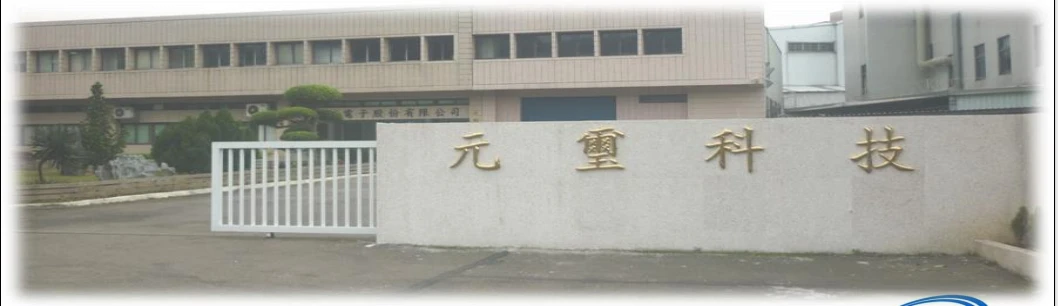
Our Factory
The 1st team release high temperature Pt thin film sensor in Taiwan in1999
• The 1st team release current sensing resistor in Taiwan by lithography
process in 2000
• The 1st team release thin film high freq. chip inductor in size 0402 and 0603
in Taiwan in 2002
• Complete series of thin film resistor in size 0201 ~ 2512 in Taiwan in 2003
• The 1st team release thin film chip fuse in Taiwan in year 2004
• The 1st team release thin film ESD suppressor worldwide in 2005
• 1st team release thick film printing NTC thermistor in Taiwan in 2006
• The 1st team release thin film current sensing resistor in Taiwan in 2007
• The 1st team release Shunt CSR in Taiwan in 2012
The 1st team release high temperature Pt thin film sensor in Taiwan in1999
• The 1st team release current sensing resistor in Taiwan by lithography
process in 2000
• The 1st team release thin film high freq. chip inductor in size 0402 and 0603
in Taiwan in 2002
• Complete series of thin film resistor in size 0201 ~ 2512 in Taiwan in 2003
• The 1st team release thin film chip fuse in Taiwan in year 2004
• The 1st team release thin film ESD suppressor worldwide in 2005
• 1st team release thick film printing NTC thermistor in Taiwan in 2006
• The 1st team release thin film current sensing resistor in Taiwan in 2007
• The 1st team release Shunt CSR in Taiwan in 2012
our products

Asked Questions
As one of the leading resistors suppliers in China, we warmly welcome you to buy discount resistors from our factory. All customized products are with high quality and competitive price. For quotation and free sample, contact us now.
for TLP621 2, for HCPL 260L, SOP 4 High Voltage Transistor