


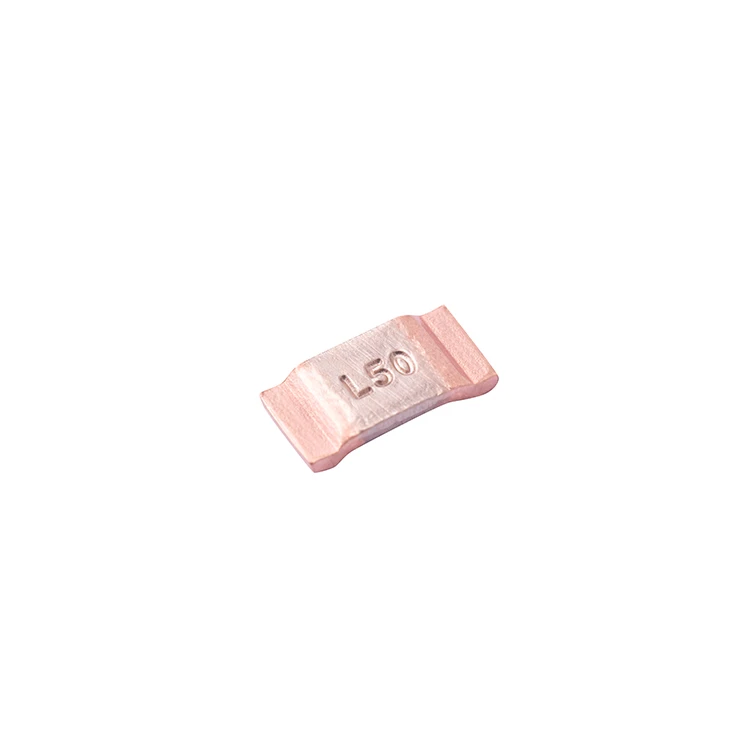
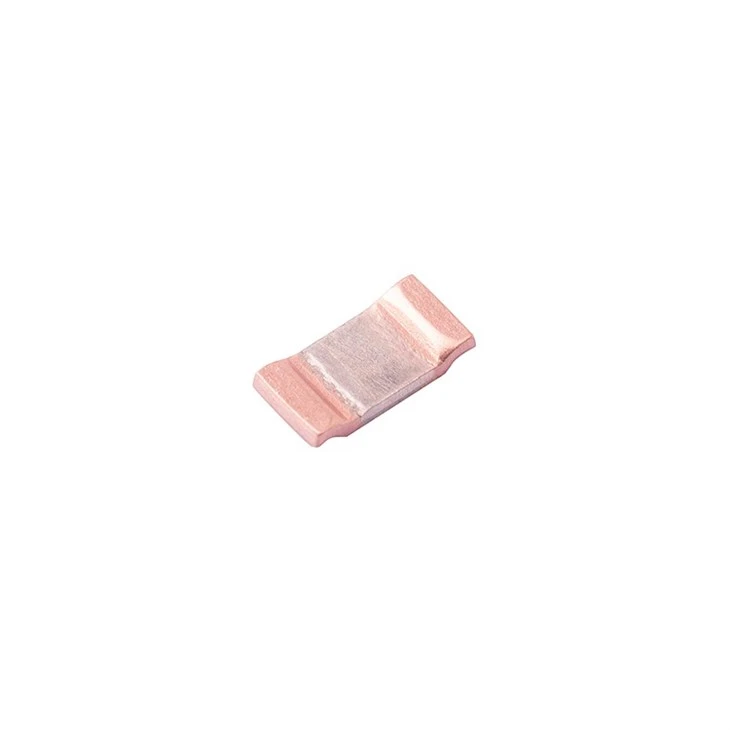
Product Parameter (Specification)
|
Photo |
Model |
Type / Size |
Power Rating (Watts) |
Resistance Range (mΩ) |
Operation Temp. Range |
TCR |
AEC-Q200 |
|
|
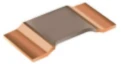
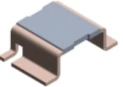
MCSS1206 |
SMD 1206 Matel Element |
1~2 |
0.3≦R≦2 |
-55~+170℃ |
-±50~±150 |
YES |
|
|
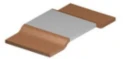
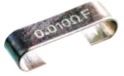
MCSS2512 |
SMD 2512 Matel Element |
1.5~3 |
0.3≦R≦5 |
YES |
||
|
|
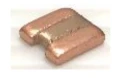
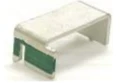
MCSS3920 |
SMD 3920 Matel Element |
2~5 |
0.2≦R≦5 |
YES |
||
|
|
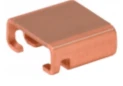
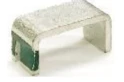
MCSS5930 |
SMD 5930 Matel Element |
6~10 |
0.2≦R≦1 |
YES |
||
|
|
MCSS2527 |
SMD 2527 Matel Element |
6 |
0.1 |
±200 |
YES |
|
|
|
MCSS2725 |
SMD 2725 4 Terminal Matel Element |
5 |
1 |
±50 |
YES |
|
|
|
MCSS4026 |
SMD 4026 4 Terminal Matel Element |
3 |
0.5≦R≦1 |
±50 |
YES |
|
|
|
MCSS4512 |
SMD 2527 Matel Element |
3 |
5.0≦R≦10 |
±50 |
YES |
|
|
|
MCSS4531 |
SMD 4531 Matel Element |
3 |
0.226 |
±200 |
YES |
|
|
|
MCSS4622 |
SMD 4622 Matel Element |
3 |
0.25 |
±200 |
YES |
Product Feature And Application
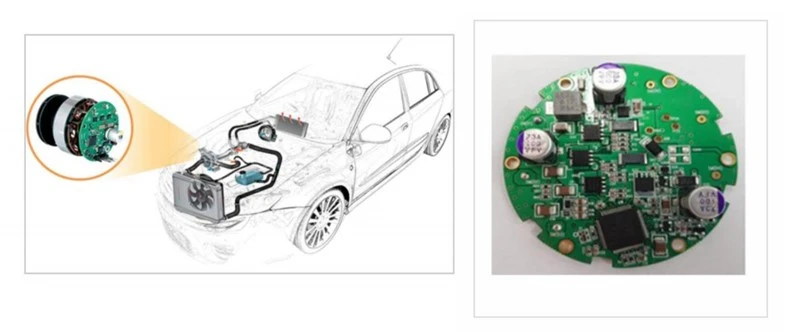

Advantage and Feature
- High Power and Low Ohmic
- Low TCR and Low EMF
- Current Sense
- Battery Management
- Power Supply
Prodection Details
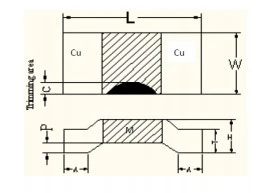
MCSS2512 Series
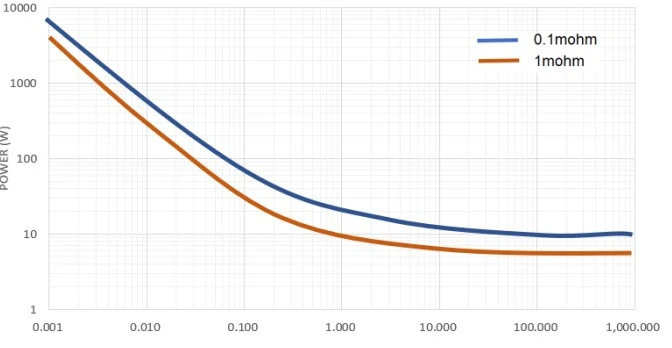
Pulsed power Characteristics
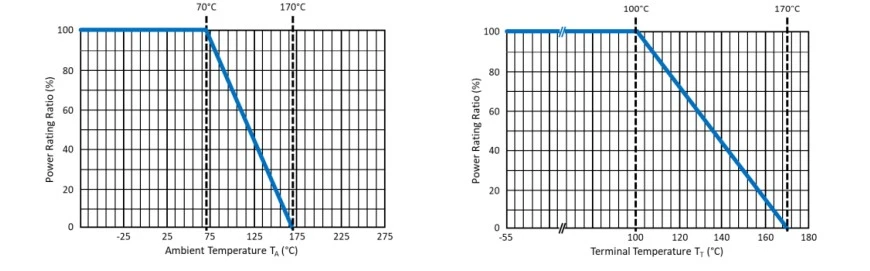
Derating Curv
Prodect Qualification


Deliver, Shipping And Serving

Latest News


FAQ
1.What are the main applications of SMD 2512 Matel Elermrnt alloy resistors?
In LED driver power supply, mobile terminal devices, variable frequency household appliances, industrial control, automotive electronics, etc.
2.What is alloy resistance?
Alloy resistance is a type of resistance that uses alloys as the current medium, generally characterized by low resistance value, high precision, low temperature coefficient, resistance to impact current, and high power response rate. Due to the strong conductivity of metals, their resistance values are generally low, such as 1 milliohm, 10 milliohms, 100 milliohms, etc. So it is often used for current sampling in circuits, to provide feedback on the changing current in the circuit, in order to further control or affect the changes in current.
3.The difference between alloy resistance and ordinary resistance?
The main difference between alloy resistors and ordinary resistors is the material and properties. The temperature and stability of the materials used to make precision alloy resistors are higher than other ordinary resistors, so the error of precision alloy resistors is much smaller than that of an ordinary resistor within a certain temperature control range. If the error of ordinary resistors is 1% to 5%, the precision alloy resistors have an error range of only 0.1% or less. In addition, the precision of the alloy resistance is much more accurate than the thick film resistance, the thick film resistance is generally 1% and 5%, and the alloy resistance can reach less than 1%. In terms of application, precision alloy resistors are widely used in military products, intelligent system equipment, precision instruments, avionics and other fields, while ordinary resistors are widely used in household appliances, electronic products and other fields . In terms of price, the price of alloy resistors is generally much more expensive than ordinary resistors, and the specific price varies according to the size and accuracy of the package.
4.Alloy resistance production process?
Alloy resistance is a kind of current detection resistance, which is often used to sample the current in a circuit. Its material is mainly copper alloy, common manganese copper alloy, iron chromium aluminum alloy, Constantan alloy, nickel chromium alloy, Karma alloy, nickel copper alloy and so on. According to the different production process, the alloy resistor can be divided into two kinds of thick diaphragm resistor and thin film resistor.
5.Is the temperature coefficient of alloy resistance the smaller the better?
The temperature coefficient of alloy resistance is not the smaller the better, but needs to be selected according to the specific application scenario. For example, some precision resistors require a lower resistance temperature coefficient to ensure accuracy, while some resistors require a higher resistance temperature coefficient to adapt to high temperature environments. Therefore, in the selection of alloy resistance materials, it is necessary to consider the resistivity, resistance temperature coefficient, electrical properties, oxidation resistance, corrosion resistance and other factors to meet the specific application needs.
6.What is the role of alloy resistance in the circuit?
The function of alloy resistance in the circuit is mainly current limiting and voltage dividing. By connecting the alloy resistor in parallel with other components (such as LED light bulbs), the shunt effect can be achieved, so that the sum of the current flowing through the alloy resistor is equal to the total current flowing through the entire circuit. In addition, alloy resistors can also be used to feedback the changing current in the circuit in order to further control or influence the change of the current.
Hot Tags: smd 2512 matel element, China smd 2512 matel element suppliers, High Voltage Transistor Optocoupler, SOP 5 Optocoupler, Thin Film Zero Ohm Jumper Resistors, 2835 660NM SMD LED, DIP 4 High Voltage Darlington Transistor, S SOP 4 Optocoupler


